
More Ad Spend Wasn’t the Answer. So What Actually Drove a 15.17x ROAS?
The result came from what the account had already learned: which products people were buying, where the purchase signals were getting stronger, and what was actually helping customers move forward.
Get the focused campaign numbers and the decisions behind it.
By submitting this form, you agree to receive the requested case study and occasional marketing emails from LN Marketing Services. You may unsubscribe at any time. View our Privacy Policy.
Free case study. Unsubscribe at any time.
01 INSIDE THE FREE CASE STUDY
This wasn’t one lucky Google Ads campaign.
The account had been struggling to move beyond a 3x ROAS. But the breakthrough did not come from one campaign setting or a quick Performance Max launch.
It came from building stronger purchase signals, learning from earlier campaign versions, and putting more budget behind the products already showing real buyer demand.
The case study breaks down what changed, what the numbers showed, and why the ads were only one part of the result.
Inside, you’ll see:
Why Performance Max was not the first move
How earlier campaigns strengthened the purchase signals
How product performance guided where the budget went
What helped the account move beyond its previous 3x ROAS
Why the result depended on more than choosing the “right” campaign type
See the numbers, strategy, and decisions behind the result.
02 ABOUT THE STRATEGY
I don’t just manage the ads.
I look at what is actually ready to scale.
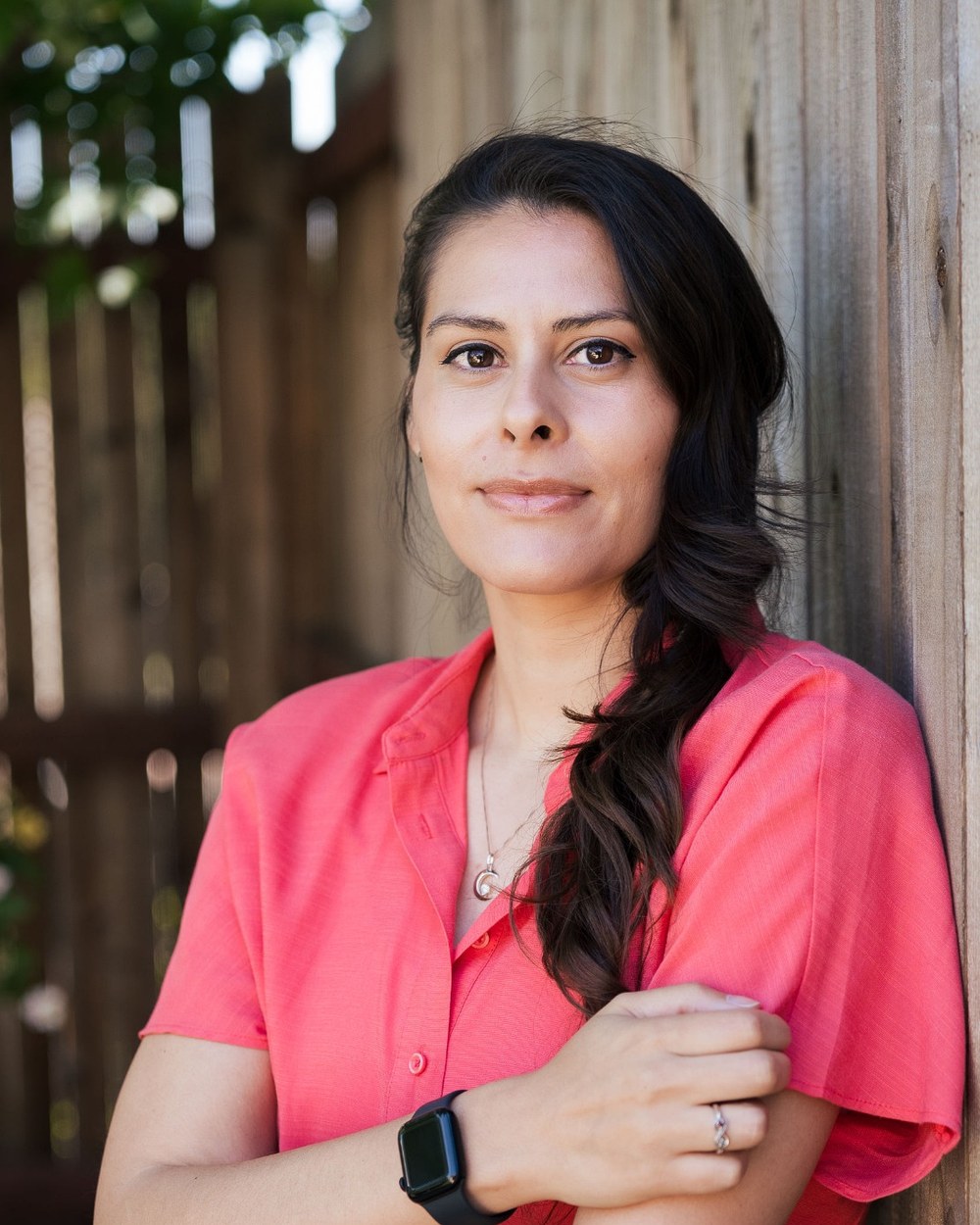
I’m Lauren Nebel, a paid growth strategist and Google Ads specialist. I help established businesses understand what is actually happening between their ads, website, tracking, offer, and customer path so they can make smarter decisions before spending more money trying to scale.
I learned paid ads through my own ecommerce business, so I know the pressure behind the numbers. Ad spend is not just another metric on a dashboard. It is real money tied to real business decisions.
That is why I use my Proof Before Scale Framework when I evaluate paid growth. It helps me look beyond campaign activity and understand whether the business has the signals, structure, and customer movement needed to support the next stage of growth.
Sometimes the opportunity is in the campaign. Other times, the real gap is the offer, landing page, tracking, product mix, or the path customers take after the click.
The goal is to find the next smartest move and scale what already has proof.
The Proof Before Scale Framework
A strategic way of evaluating the full paid-growth path before increasing budget or expanding campaigns.
It looks at whether the ads, offer, website, tracking, and customer behavior are giving us enough evidence to scale with more confidence.
Find the proof. Identify the gap. Scale what’s ready.
03 THE RESULTS
The result was more than account management. It was identifying real buyer intent.
Results reflect the campaign period documented in the downloadable case study.
A$45,202
Tracked revenue
A$2,878
Google Ads spend
15.17x
Tracked ROAS
244+
Tracked purchases
114
New customers
Results shown are from one anonymized client engagement and are not a guarantee of future performance.
04 BEHIND THE RESULT
The account didn’t need more activity. It needed stronger data.
The result came from understanding what earlier campaigns had already proven and using that data to guide what happened next.
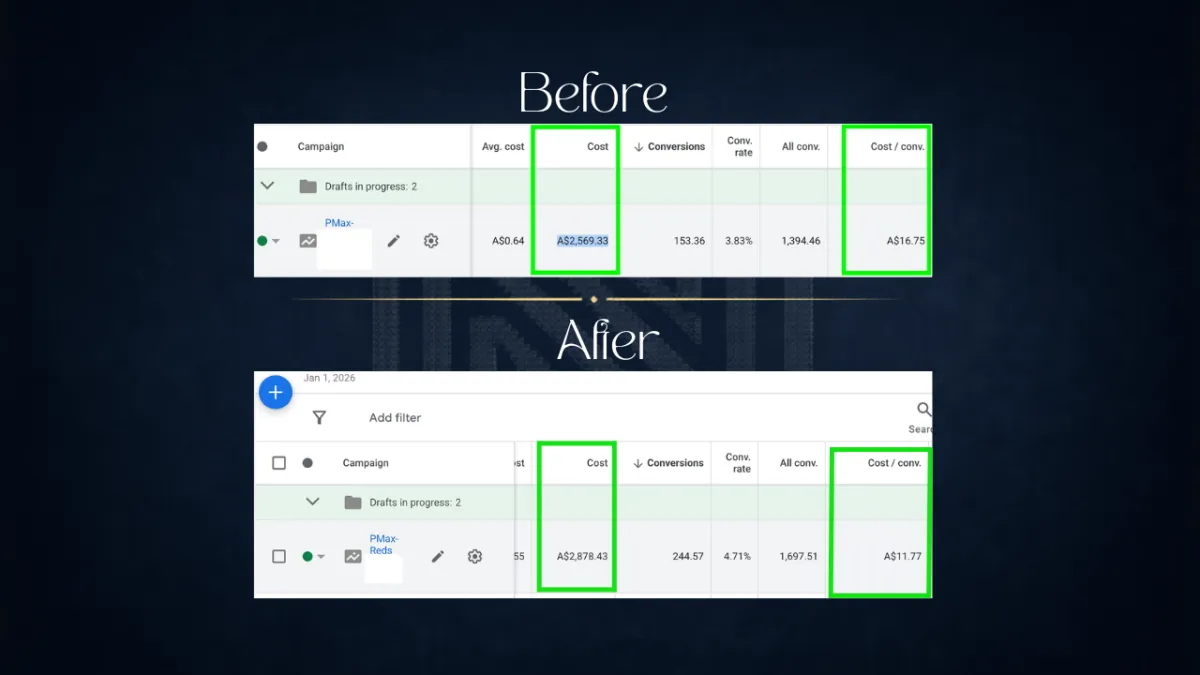
What supported the result
Before increasing budget, we needed to understand what the account had already proven.
The Proof Before Scale Framework helped us use earlier campaign learning, product demand, purchase behavior, and the customer path to guide what happened next.